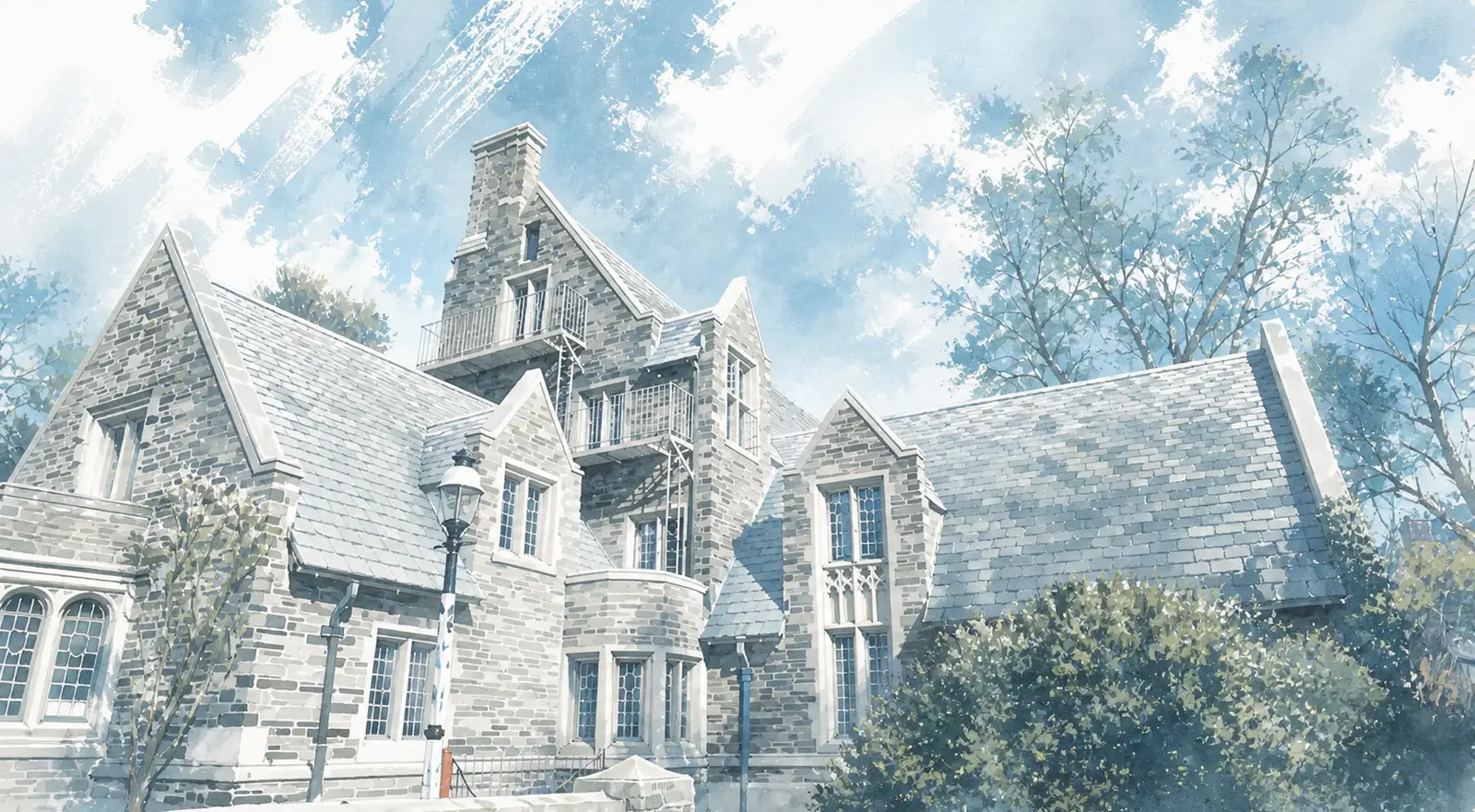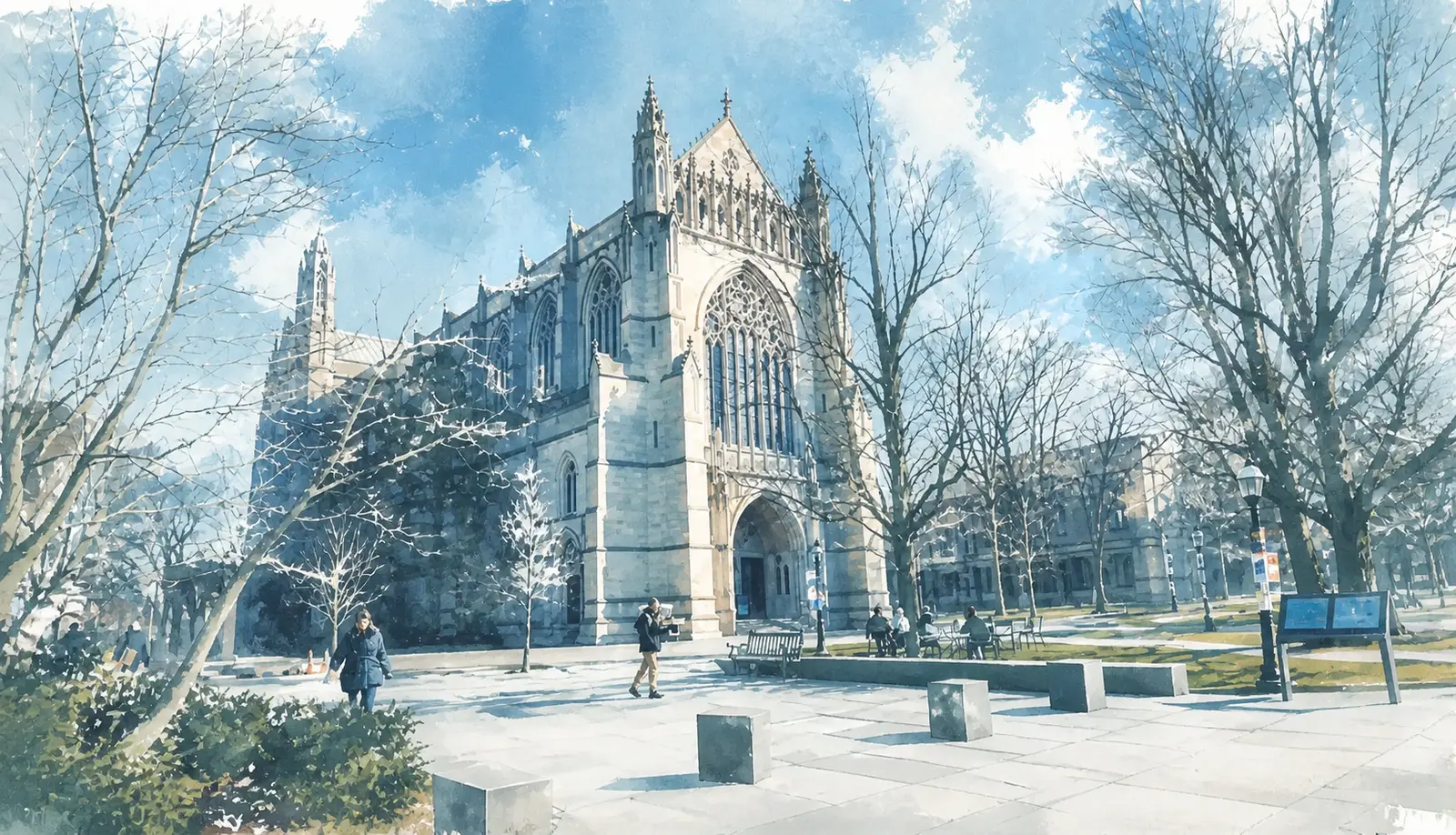
Winter pares Princeton back to stone, branch, and clear light. The campus seems to breathe more slowly, its old buildings holding silence without becoming heavy. Walking through it, attention settles on simple things: a long shadow, a pale wall, the small warmth of another person crossing the cold.
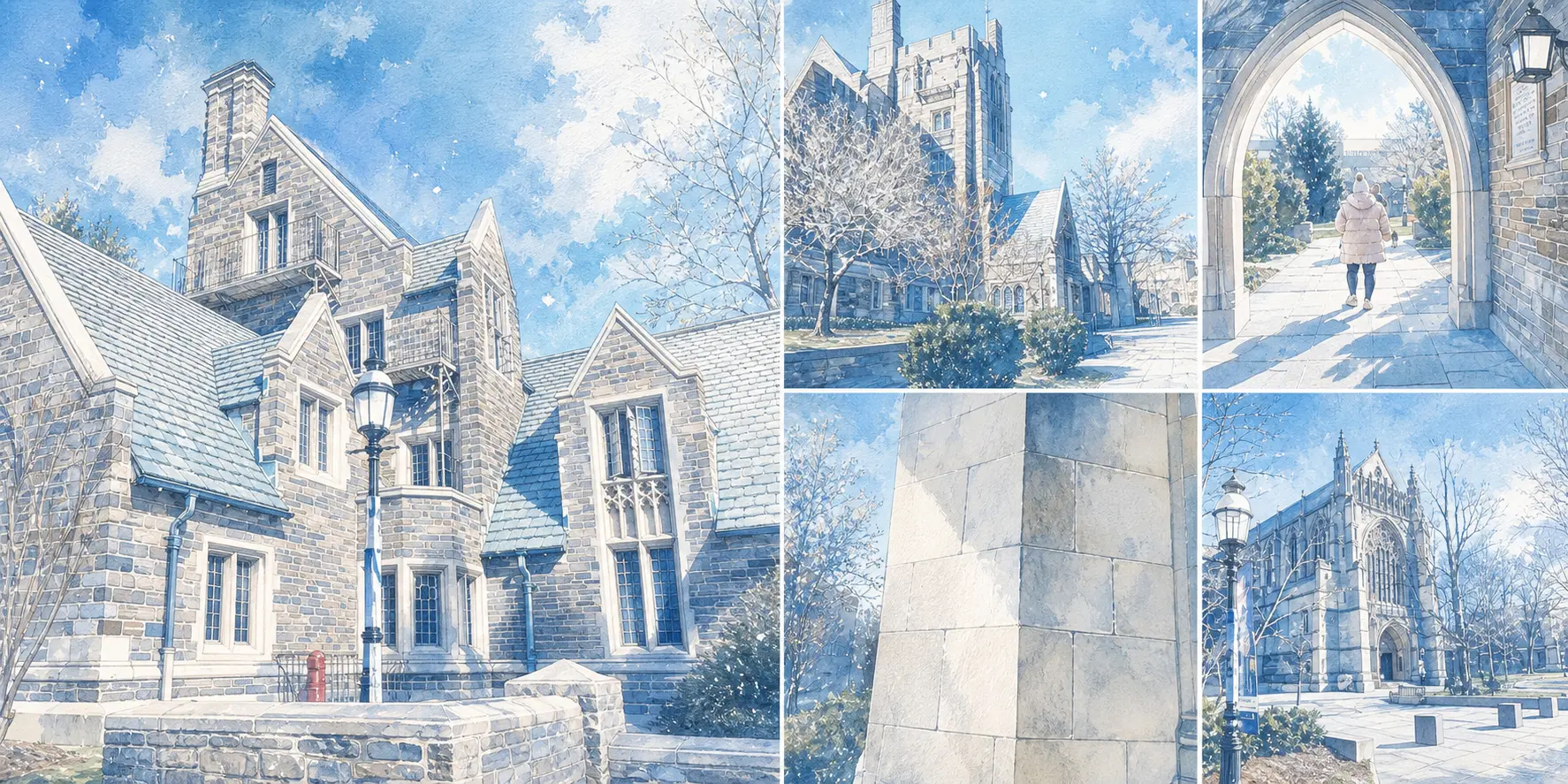
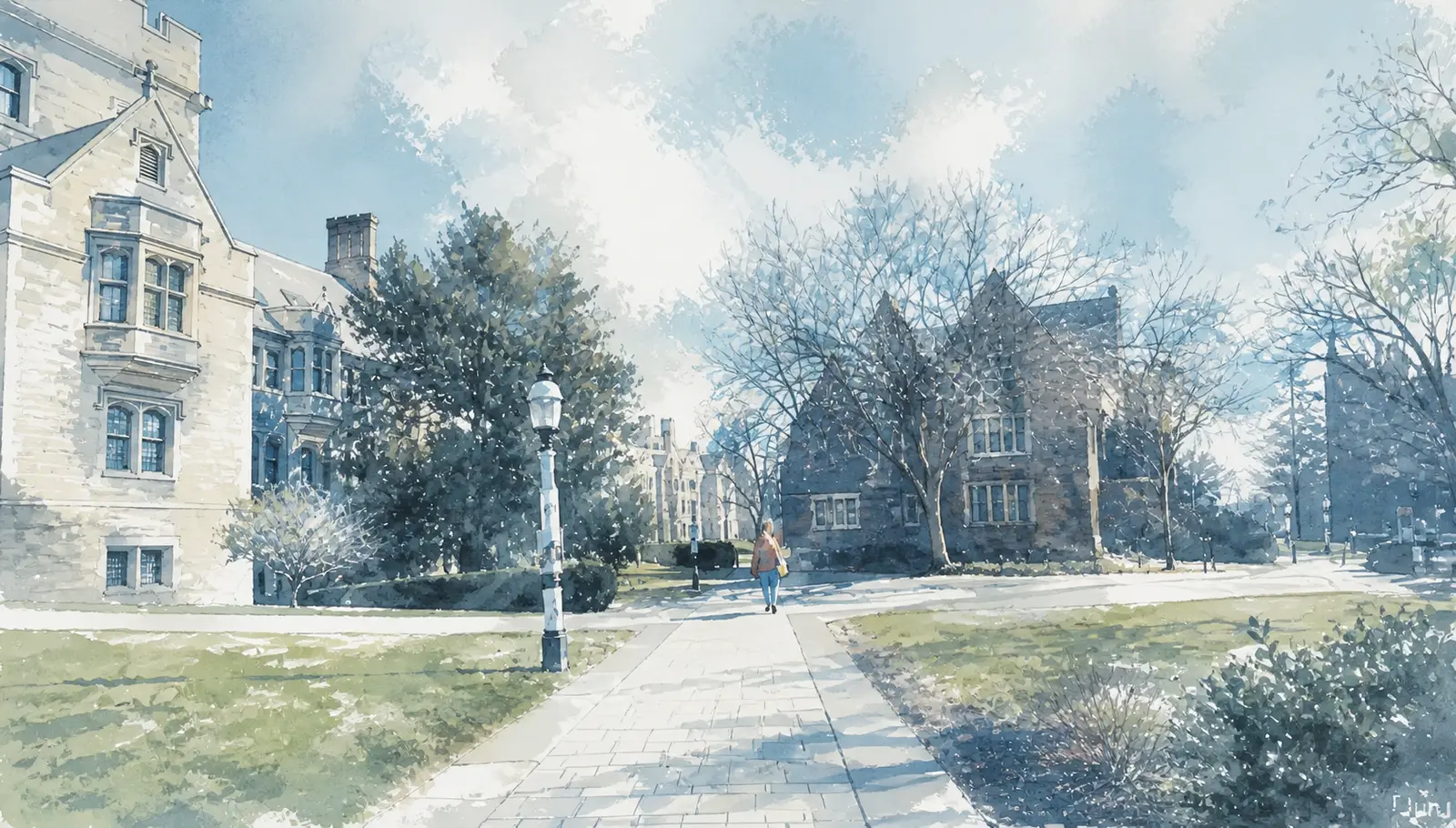
Morning mist wraps Princeton's streets like gauze. Light falls through the trees onto damp stone, and the smell of earth seems to carry the dream of the previous night. In the quiet, leaves move like a poem without words.
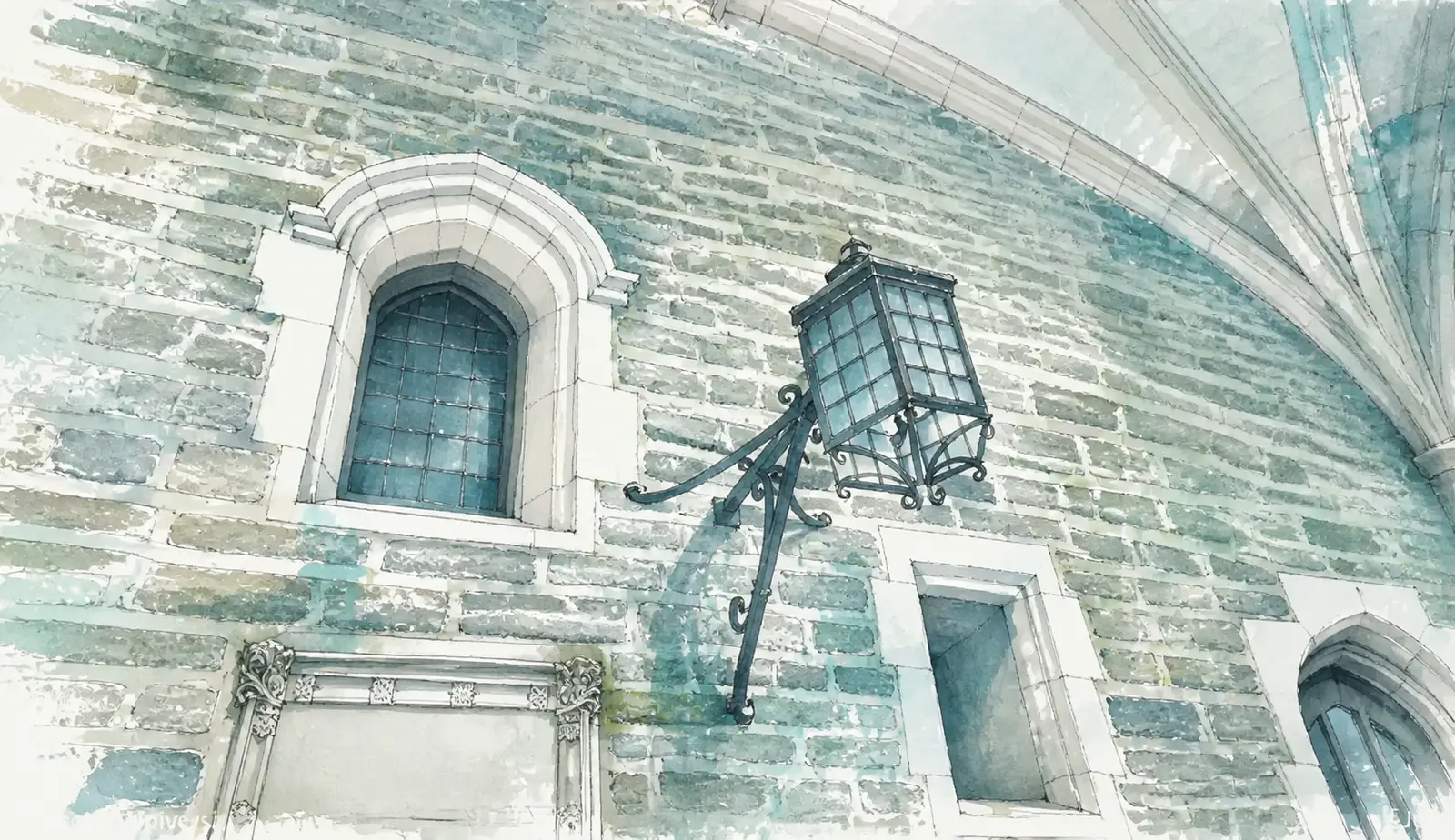
On campus, old buildings hold the warmth of late sun and the accumulated patience of time. Students cross with books in their arms. In the library, shelves rise like ranges waiting to be explored, and thought is free to move through an ocean larger than any single discipline.
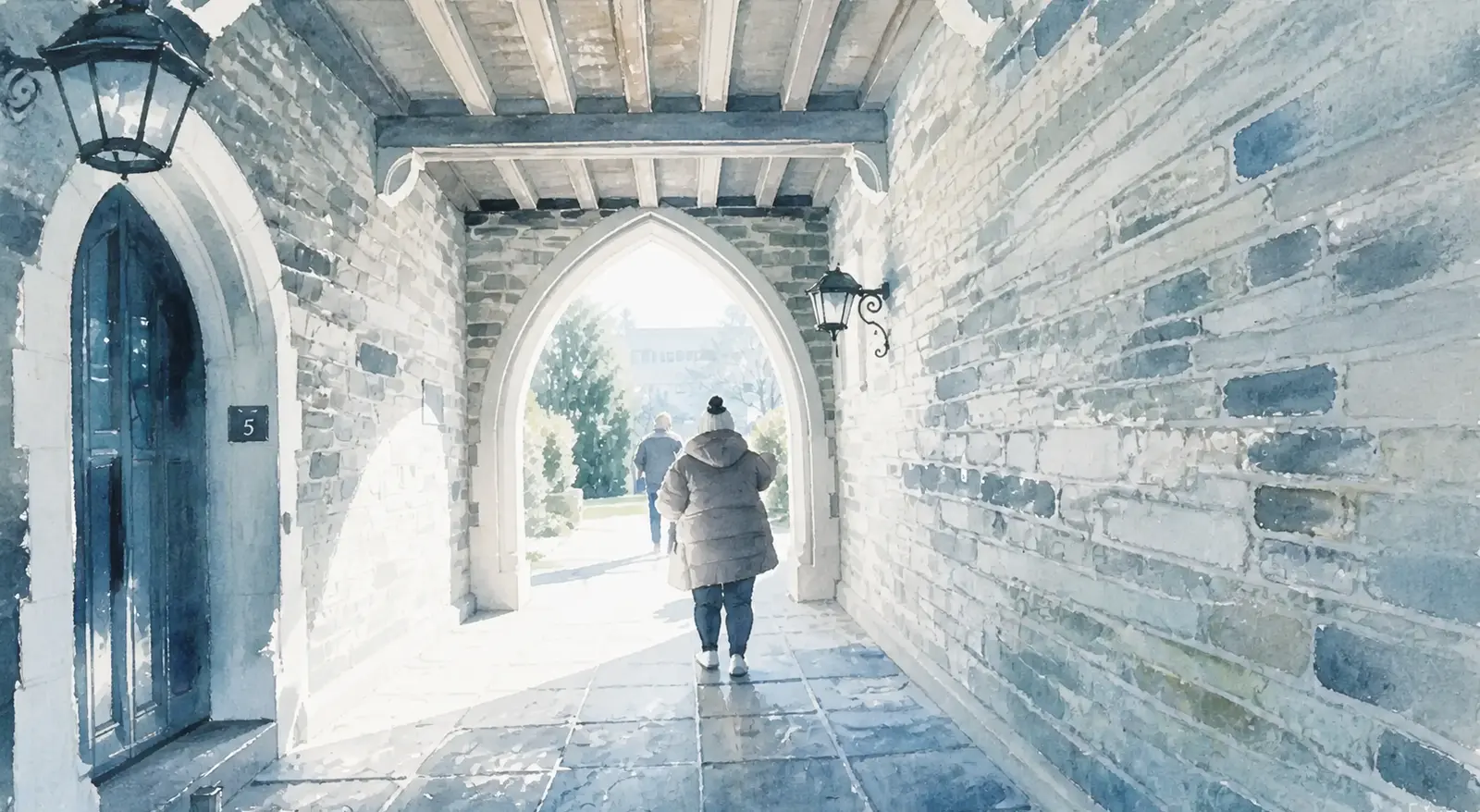
Each window carries a little reflected light. Pages turn in meditative quiet; ideas meet in lecture halls and spark against one another. The curiosity of younger students makes me reconsider my own direction and the questions that still deserve pursuit.
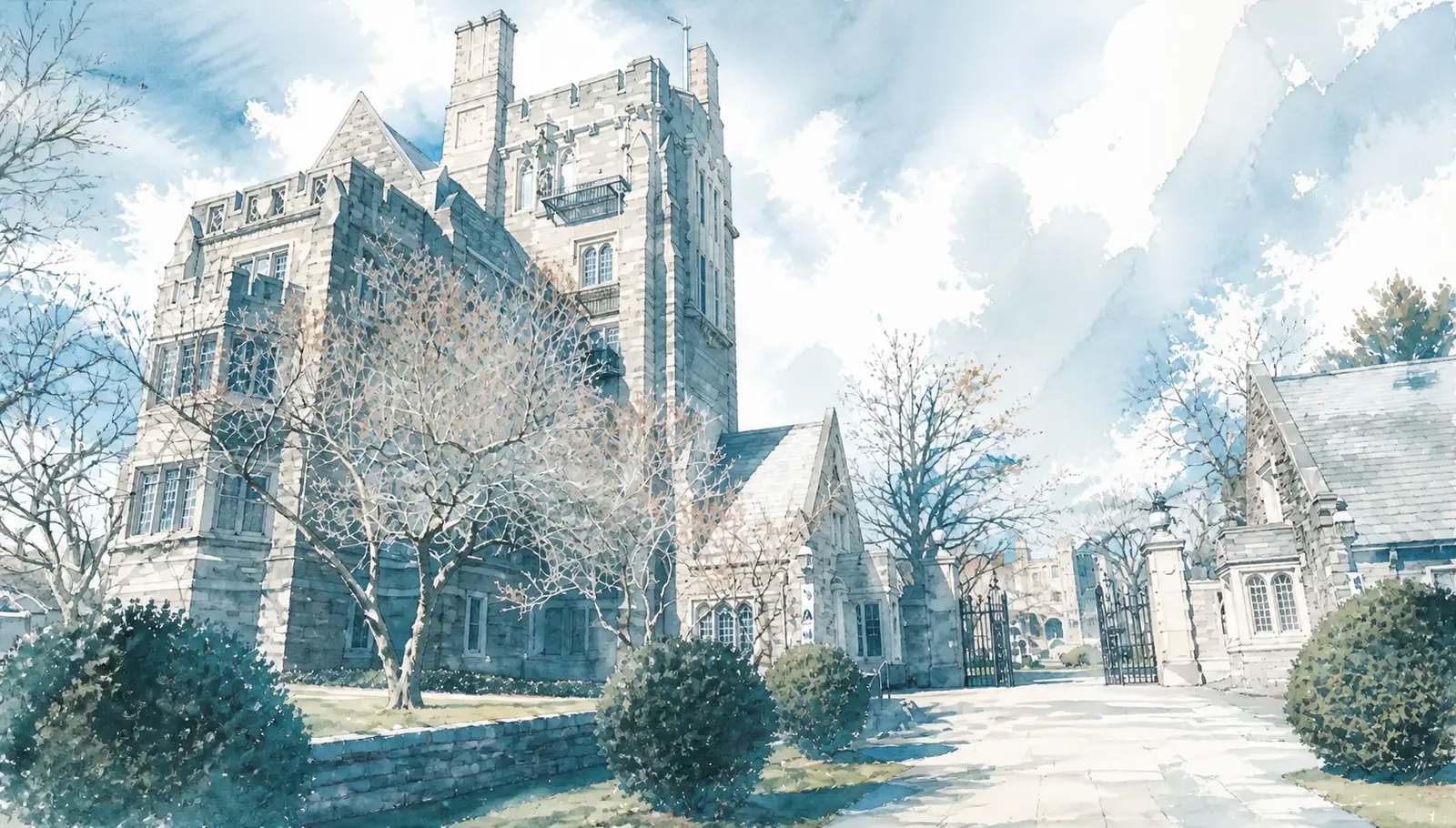
Murakami's writing often understands walking through mist: the path cannot be seen all at once, yet the uncertainty gives it possibility. Here I am not merely travelling through a place. I am moving with time and thought, accepting that the road can remain partly hidden while the next step is still clear enough to take.